Kabita Script Font for Modern Web Design
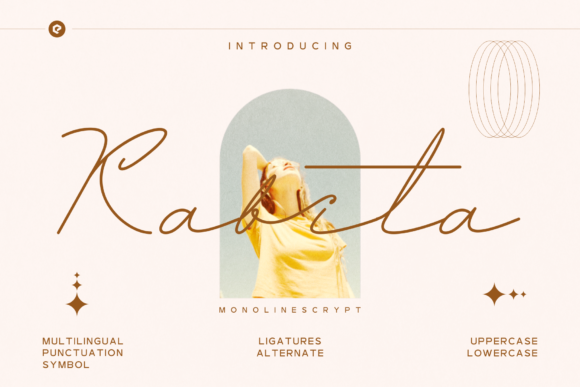
Kabita is a modern, handwritten script font that brings a sense of elegance and versatility to digital design. As a web designer, I've found that the right typeface can significantly impact how users perceive a brand, navigate a website, and engage with content. Kabita's clean lines and balanced characters make it an excellent choice for creating visually appealing layouts without sacrificing readability.
Visual Characteristics and Style
Kabita's design features smooth curves and consistent stroke weights, which give it a professional yet approachable look. Its PUA encoding allows for easy access to special characters and ligatures, making it ideal for creative projects that require unique typographic elements. This font has a soft, handwritten feel that works well in both editorial and branding contexts.
The subtle variations in character shapes add visual interest while maintaining legibility. Whether you're designing a hero section or a call-to-action button, Kabita offers a balance between style and clarity that can enhance the overall user experience.
Applying Kabita in Web Design
When working on a landing page or a product showcase, using Kabita for headings can draw attention without overwhelming the reader. Its fluidity makes it especially effective for headers, banners, and promotional graphics where a touch of personality is needed.
For instance, if you're building a boutique online store, Kabita can be used for product titles or category headers to create a warm and inviting atmosphere. On a coaching website, it could be applied to testimonials or feature sections to convey trust and authenticity.
In a portfolio site, Kabita might serve as the primary font for project titles or client logos, helping to establish a cohesive and memorable brand identity. It's also suitable for decorative accents such as quote blocks or social media posts where a more artistic tone is desired.
Readability and Layout Considerations
While Kabita excels in display settings, it's important to consider its use in body text. For long paragraphs or dense content areas, pairing Kabita with a simpler sans serif or serif font ensures that the text remains easy to read across different devices and screen sizes.
On mobile screens, Kabita should be used sparingly, ideally for short phrases or headlines. When applying it to buttons or small UI elements, ensure there's enough contrast against the background to maintain visibility and usability.
Testing the font on dark and light backgrounds can help determine the best application for your specific design needs. If using image overlays or complex layouts, keep the font size and spacing consistent to avoid visual clutter.
Font Pairing and Brand Identity
One of the strengths of Kabita is its ability to complement other fonts. A common approach is to pair it with a clean sans serif font like Helvetica or Arial for body copy, ensuring a clear distinction between headings and content. This combination works particularly well for editorial designs, blog headers, and course pages.
For a more sophisticated look, consider using Kabita alongside a traditional serif font in a multi-page website or digital magazine layout. The contrast between the two styles can create a dynamic visual hierarchy that guides the reader through the content effectively.
When selecting font weights and alternates, check the available options within the Kabita family. These variations can provide additional flexibility when designing different sections of a website or digital product.
Commercial Use and Licensing
Before implementing Kabita on a live website, online store, or digital template, ensure that the font license covers commercial use. Many premium fonts require proper licensing for client projects, SaaS platforms, or branded assets. Always review the terms of use provided by the font provider to avoid any legal issues.
If you're creating a brand kit or a set of design assets, including Kabita in your typography guidelines can help maintain consistency across all marketing materials, from web banners to print collateral.
With its blend of style and functionality, Kabita is a valuable addition to any designer’s toolkit. Whether you're crafting a high-conversion landing page or a visually rich portfolio, this script font can elevate your designs while supporting a strong brand presence and user engagement.